Frequently Asked Questions
Planning & Logistics
-
There are two easy ways to get your bouquet to me after your wedding:
Drop-off: You or a designated wedding helper can drop the flowers off directly at my studio within 72 hours of the wedding day.
Local Pickup: I offer a complimentary collection service for venues within a 20-mile radius of our studio in Falmouth, or collection outside of this area can be arranged for an additional fee of £1 per mile.
-
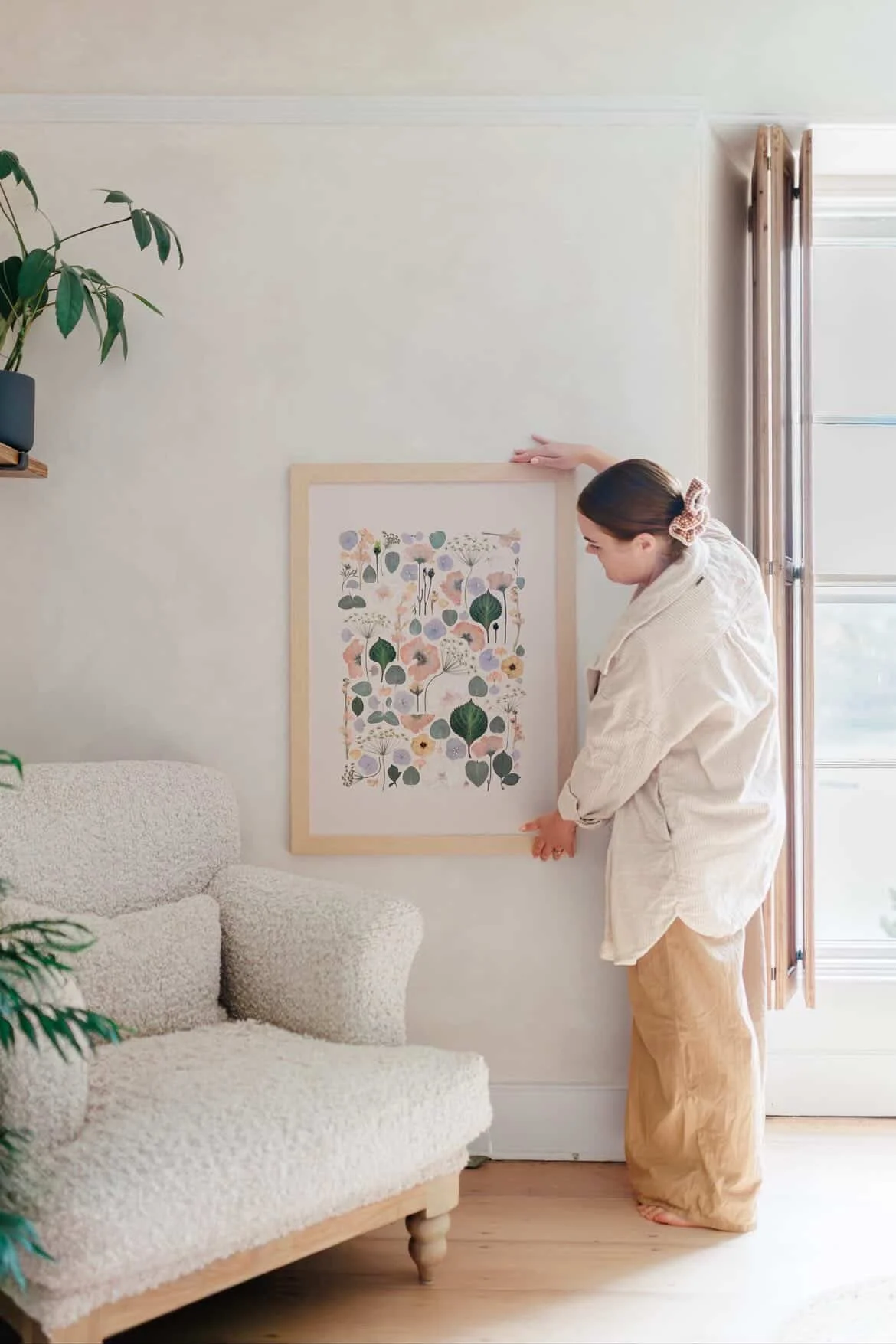
Custom pressed wedding flower frames typically range from £475 to £695, depending on the bouquet size.
This cost includes our personal collection service within 20 miles of the studio, the pressing and preservation processes, design layout, and handmade, archival framing.
-
For the absolute best results, I need to receive your wedding bouquet within 72 hours of your ceremony, although the sooner the better.
The fresher the flowers are when they arrive at the studio, the more vibrant and beautifully preserved your final piece will be.
-
The absolute best way to honour the investment and memory of your wedding flowers is to have them professionally preserved into permanent artwork.
While you can let guests take them home or donate them, these options only keep the flowers alive for a few short days. By booking a professional flower preservation service, your actual bridal blooms are carefully dried and designed into a custom keepsake that you can display in your home for a lifetime.
-
Cut wedding flowers generally only stay vibrant for about 3 to 5 days before they begin to bruise, droop, and brown.
Delicate blooms like hydrangeas or peonies can start wilting within just 24 hours. Because of this incredibly short window, you cannot wait until after your honeymoon to think about a keepsake.
To turn your bouquet into lasting artwork, the professional preservation process needs to start while the cells are still completely fresh, plump, and hydrated. I highly recommend reserving your preservation slot months before your wedding so your spot in the studio is locked in and ready the day after you say "I do."
Care & After Care
-
Keeping your flowers healthy before preservation is simple if you follow these steps:
Keep them in water: As soon as the ceremony and photos are over, place the bouquet in clean, cold water.
Keep them cool: Store the flowers in a cool room. Avoid freezing temperatures, direct sunlight, and hot radiators.
-
Unfortunately not, bouquets that have already begun to wilt, brown, or dry out won’t press.
For a successful preservation, the flowers must be fresh and hydrated. Once wilting sets in, the petals bruise easily, trap damaging moisture, and will not preserve properly.
-
Your preserved flowers will naturally mature and fade into vintage, muted tones over many years. This is a beautiful, completely normal process for pressed flowers.
To slow down this process and keep your artwork vibrant for as long as possible, follow these essential care rules:
Keep out of direct sunlight: UV rays are the number one cause of rapid fading. Hang or display your piece in a spot away from bright windows.
Avoid humidity: Store your art in a dry room. Do not hang it in damp areas like bathrooms or poorly ventilated kitchens, as moisture can damage the preservation.
Keep away from direct heat: Position your artwork away from radiators, fireplaces, or air conditioning vents.
Dust gently: Clean the exterior frame or glass using a soft, dry microfiber cloth. Never use harsh chemical cleaners or water directly on the art.
Pressing & Preservation
-
The flower pressing and preservation process transforms your fresh wedding bouquet into a custom, archival-grade framed artwork over a period of 10 to 12 weeks.
Your bouquet is gently deconstructed. Every single stem, leaf, and petal is assessed and prepared before being delicately placed into a traditional flower press.
Over several weeks of quiet observation, moisture is slowly removed, setting the unique form and character of each individual flower.
Once entirely dry, the preserved petals are artfully arranged into a bespoke design and sealed behind UV-protective glass to prevent fading.
-
While the vast majority of flowers press beautifully, flat petals like anemones, eucalyptus, delphiniums, and cosmos press best, whereas incredibly thick blooms like roses, dahlias and sunflowers may require individual petal deconstruction.
Most flowers can be pressed, although it is often best to work with your florist to create a bouquet that not only matches your visual desires, but will continue to look beautiful even when pressed.
-
Unfortunately not, bouquets that have already begun to wilt, brown, or dry out won’t press.
For a successful preservation, the flowers must be fresh and hydrated. Once wilting sets in, the petals bruise easily, trap damaging moisture, and will not preserve properly.
-
Yes, almost all flowers will undergo a subtle, natural shade shift during preservation as the moisture is completely removed from the petals.
While your bouquet will retain its gorgeous overall look, you should expect these specific shifts:
White flowers: Often dry into a beautiful, vintage creamy-ivory or take on a slightly translucent tone.
Red and burgundy flowers: Naturally deepen and can turn into a very dark crimson, maroon, or near-black tone.
Pink flowers: May change vibrancy, either deepening or fading slightly depending on the specific variety.
Purple flowers: Hold their colour exceptionally well but may turn slightly more muted.